Protect Your Pipes: How to Prevent Freezing During Upcoming Cold TemperaturesWinter is coming, and with it, the very real threat of frozen pipes that can turn your cozy home into a watery nightmare.

Dated: December 5 2025
Views: 199
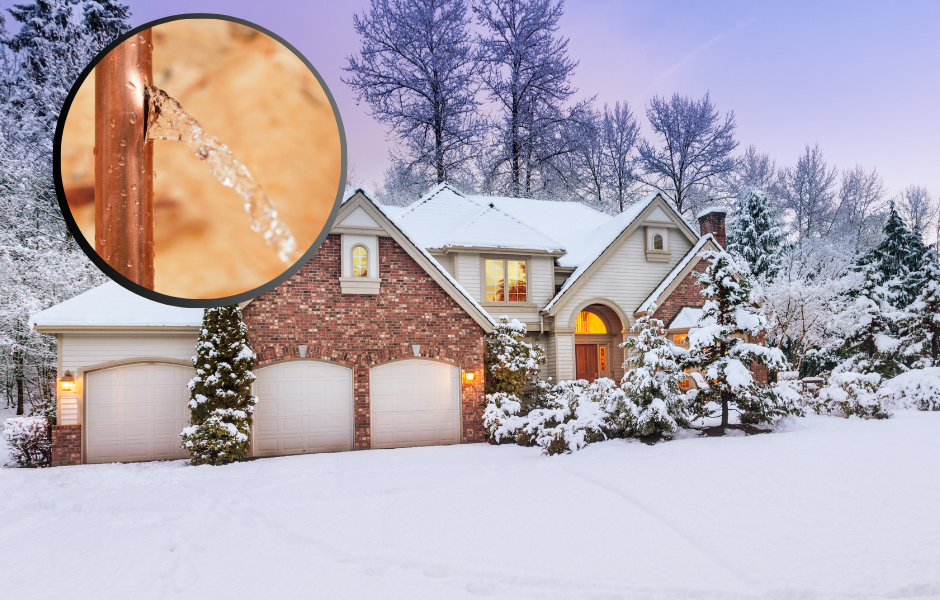
Winter is coming, and with it, the very real threat of frozen pipes that can turn your cozy home into a watery nightmare. As temperatures drop across Northeast PA, it's time to think about protecting one of your home's most important systems – your plumbing. Trust me, spending a little time on prevention now beats dealing with burst pipes and water damage later!
As your local real estate team, we've seen firsthand how frozen pipes can impact homeowners and even affect property values. That's why we're sharing this comprehensive guide to keep your pipes safe and your home comfortable all winter long.
It's pretty straightforward science, but worth understanding. When temperatures dip below 32°F, the water sitting in your pipes can freeze solid. Here's where it gets expensive – as that water turns to ice, it expands, putting tremendous pressure on your pipe walls. Over time, this pressure builds until something's gotta give, and unfortunately, that something is usually your pipes.
The pipes most at risk are those in unheated spaces like basements, crawl spaces, attics, garages, or along exterior walls. These areas don't benefit from your home's heating system, making them vulnerable when Old Man Winter comes knocking.

This is your first line of defense and honestly one of the most effective steps you can take. Head to your local hardware store and grab some foam pipe insulation or heat tape – it's inexpensive and can save you thousands down the road.
Focus on pipes in those vulnerable areas we mentioned: basements, garages, crawl spaces, and anywhere along exterior walls. The foam sleeves slip right over your pipes, and heat tape provides a controlled source of warmth. Even in a pinch, wrapping pipes with old towels or newspapers can provide some protection.
I know, I know – letting water drip feels wasteful. But hear me out! A small trickle of water flowing through your pipes can prevent the pressure buildup that causes pipes to burst. Moving water is much less likely to freeze than standing water.
You don't need Niagara Falls here – just a slow, steady drip from both hot and cold faucets, especially those connected to pipes running through unheated areas. The tiny increase in your water bill is nothing compared to the cost of pipe repairs and water damage.
Cold air is pipe enemy number one. Walk around your home and check for drafts near your plumbing. Look around windows, doors, and vents – anywhere cold air might sneak in. A tube of caulk and some weather stripping can work wonders for keeping that cold air where it belongs (outside!).
Don't forget about areas like where pipes enter your home or penetrate exterior walls. These spots are often overlooked but can let in surprising amounts of cold air.

This one's super easy and costs absolutely nothing. In bathrooms and kitchens, especially those along exterior walls, open up the cabinet doors under your sinks. This allows the warm air from your home's heating system to circulate around the pipes.
It might look a little odd having all your cabinet doors hanging open, but it's a small price to pay for pipe protection. Your guests will understand – and if they don't, just explain you're being proactive about home maintenance!
Even if you're trying to save on heating bills, don't let your thermostat dip below 55°F, even when you're away from home. Consistent warmth throughout your house helps ensure that pipes in interior walls and less-heated areas stay above freezing.
If you're going away for an extended period, resist the urge to turn the heat way down. That savings on your heating bill could cost you big time if pipes freeze while you're gone.
Your outdoor plumbing needs attention too! Disconnect and drain all garden hoses, then store them somewhere they won't freeze solid. Water left in hoses can freeze and expand back into your home's plumbing.
Drain your outdoor faucets completely and consider investing in faucet covers for extra protection. If you have separate shut-off valves for outdoor spigots, turn off the water supply to these areas for the winter.
If you have areas that consistently give you trouble or pipes that are particularly exposed, heat cables might be worth the investment. These UL-listed products provide controlled heat directly to your pipes and can be a game-changer for chronically cold areas.

Don't panic! Even with the best preparation, extreme weather can sometimes win. Here's your action plan:
First, shut off your main water supply immediately. This prevents additional water from entering the system and creating more pressure if a pipe has already burst.
Locate the frozen section and start thawing it gently. Use a hair dryer, heating pad, or warm (not hot) towels. Work from the faucet end back toward the frozen area. Never, ever use an open flame, torch, or other high-heat source – you could damage the pipes or even start a fire.
Keep the affected faucet open while you're thawing. As the ice melts, water needs somewhere to go, and you'll be able to tell when you've successfully cleared the blockage.
If you can't locate the freeze or safely thaw it yourself, call a licensed plumber immediately. This isn't the time to be a hero – professional help is worth every penny when you're dealing with your home's plumbing system.
As real estate professionals, we've seen how pipe damage can impact home sales and values. Water damage from burst pipes can lead to mold issues, structural problems, and significant repair costs. For sellers, this kind of damage can derail a sale or significantly reduce offers. For buyers, it's often a red flag that suggests poor home maintenance.
Taking these preventive steps doesn't just protect your comfort and wallet – it protects your investment in your home. Well-maintained homes with no history of water damage are always more attractive to potential buyers.
The key to pipe protection is acting before you need it. Don't wait until you hear the weather forecast calling for sub-zero temperatures – start implementing these strategies now, while the weather's still manageable.
Prevention really is worth a pound of cure when it comes to your home's plumbing. A few hours spent on winterization and a small investment in insulation materials can save you from the headache, expense, and disruption of dealing with frozen or burst pipes.
Remember, your home is likely your largest investment, and protecting it should always be a priority. These steps aren't just about avoiding immediate problems – they're about maintaining your home's value and ensuring it remains the comfortable sanctuary you love.
Stay warm, stay prepared, and don't hesitate to reach out if you need recommendations for trusted contractors or have questions about protecting your home's value. At Team Jesicca Skoloda, EXP Realty, we're here with the insight to help you keep your home in top shape, season after season!
If you discover a burst pipe or a frozen pipe you cannot safely thaw:
Local emergency contacts (availability may vary; call for current response times):
Prompt action minimizes water damage, reduces mold risk, and may improve claim outcomes. Do not use open flames to thaw pipes. If water is near electrical components, avoid contact and, if safe, shut off power at the main breaker.

Jesicca is a Full-Time Realtor & Associate Broker for eXp Realty. She is passionate about her career and consistently ranks in the top 1% of Realtors in Luzerne County. She has had the honor to be....
Protect Your Pipes: How to Prevent Freezing During Upcoming Cold TemperaturesWinter is coming, and with it, the very real threat of frozen pipes that can turn your cozy home into a watery nightmare.
Success in real estate isn't measured just by the number of homes sold, it's about the lives touched, the families helped, and the community trust earned. At Team Jesicca Skoloda, EXP
What to Expect During a Home Inspection: Seller’s FAQWhat is a home inspection?A home inspection is a thorough examination of your property by a licensed inspector, typically requested by the
Additional:
900 Rutter AveShould you require assistance in navigating our website or searching for real estate, please contact our offices at 570-376-8674.

 Luzerne County Association of REALTORS® (LZCAOR) All information deemed reliable but not guaranteed. All properties are subject to prior sale, change or withdrawal. Neither listing broker(s) or information provider(s) shall be responsible for any typographical errors, misinformation, misprints and shall be held totally harmless. Listing(s) information is provided for consumer's personal, non-commercial use and may not be used for any purpose other than to identify prospective properties consumers may be interested in purchasing. The data relating to real estate for sale on this website comes in part from the Internet Data Exchange program of the Multiple Listing Service. Real estate listings held by brokerage firms other than Team Jesicca Skoloda may be marked with the Internet Data Exchange logo and detailed information about those properties will include the name of the listing broker(s) when required by the MLS. Copyright ©2026 All rights reserved.
Last Updated: September 25, 2026 7:37 PM UTC
Luzerne County Association of REALTORS® (LZCAOR) All information deemed reliable but not guaranteed. All properties are subject to prior sale, change or withdrawal. Neither listing broker(s) or information provider(s) shall be responsible for any typographical errors, misinformation, misprints and shall be held totally harmless. Listing(s) information is provided for consumer's personal, non-commercial use and may not be used for any purpose other than to identify prospective properties consumers may be interested in purchasing. The data relating to real estate for sale on this website comes in part from the Internet Data Exchange program of the Multiple Listing Service. Real estate listings held by brokerage firms other than Team Jesicca Skoloda may be marked with the Internet Data Exchange logo and detailed information about those properties will include the name of the listing broker(s) when required by the MLS. Copyright ©2026 All rights reserved.
Last Updated: September 25, 2026 7:37 PM UTC
